
evan
-
“Tomorrow, and Tomorrow, and Tomorrow”: Macbeth and the Nihilism of Time
In Macbeth’s most desolate soliloquy, Shakespeare strips time itself of meaning — reducing human life to a tale told by an idiot, full of sound and fury, signifying nothing.
-

Existential Doubt in Hamlet
A focused study of Hamlet’s questions, delays, and self-divisions as Shakespeare’s most famous drama of existential uncertainty.
-
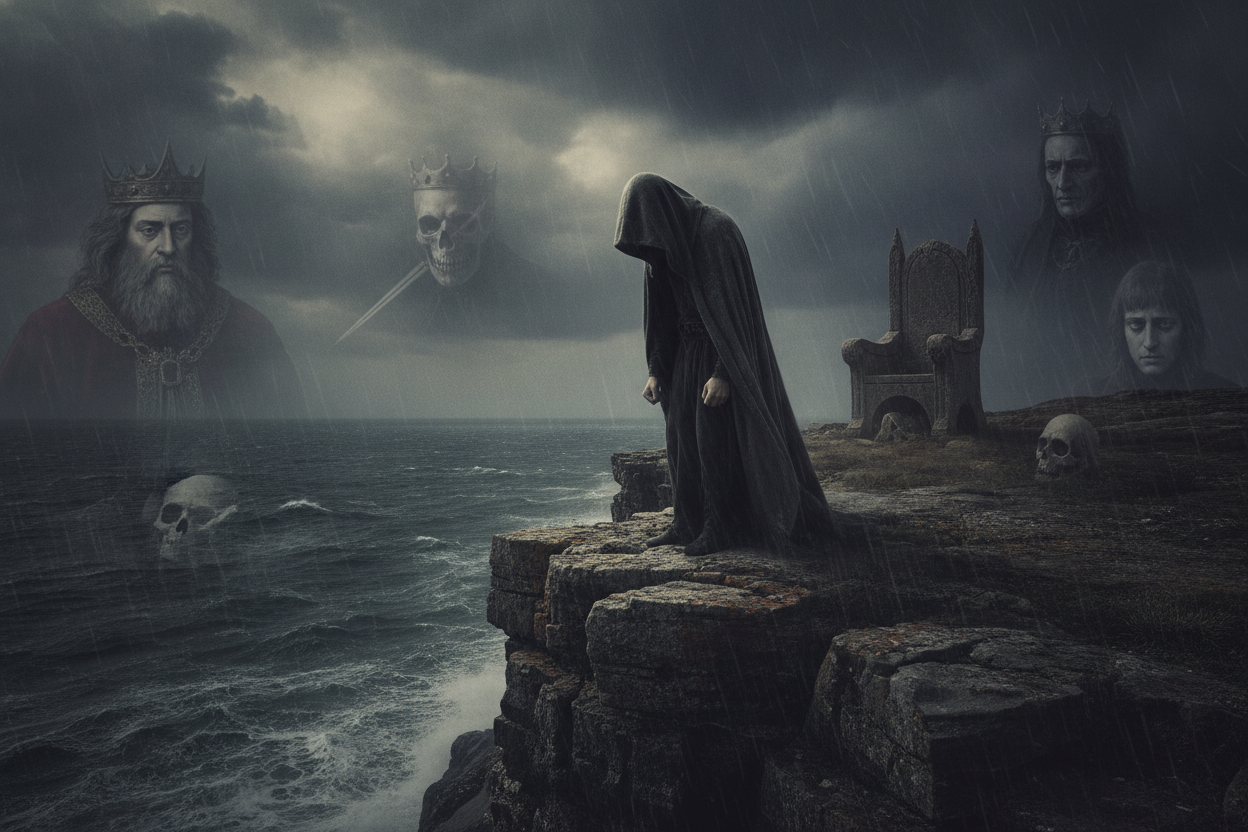
Despair in Shakespeare’s Tragedies
Follow despair across Hamlet, Lear, Macbeth, and more to see how Shakespeare gives ruin distinct emotional and philosophical shapes.
-
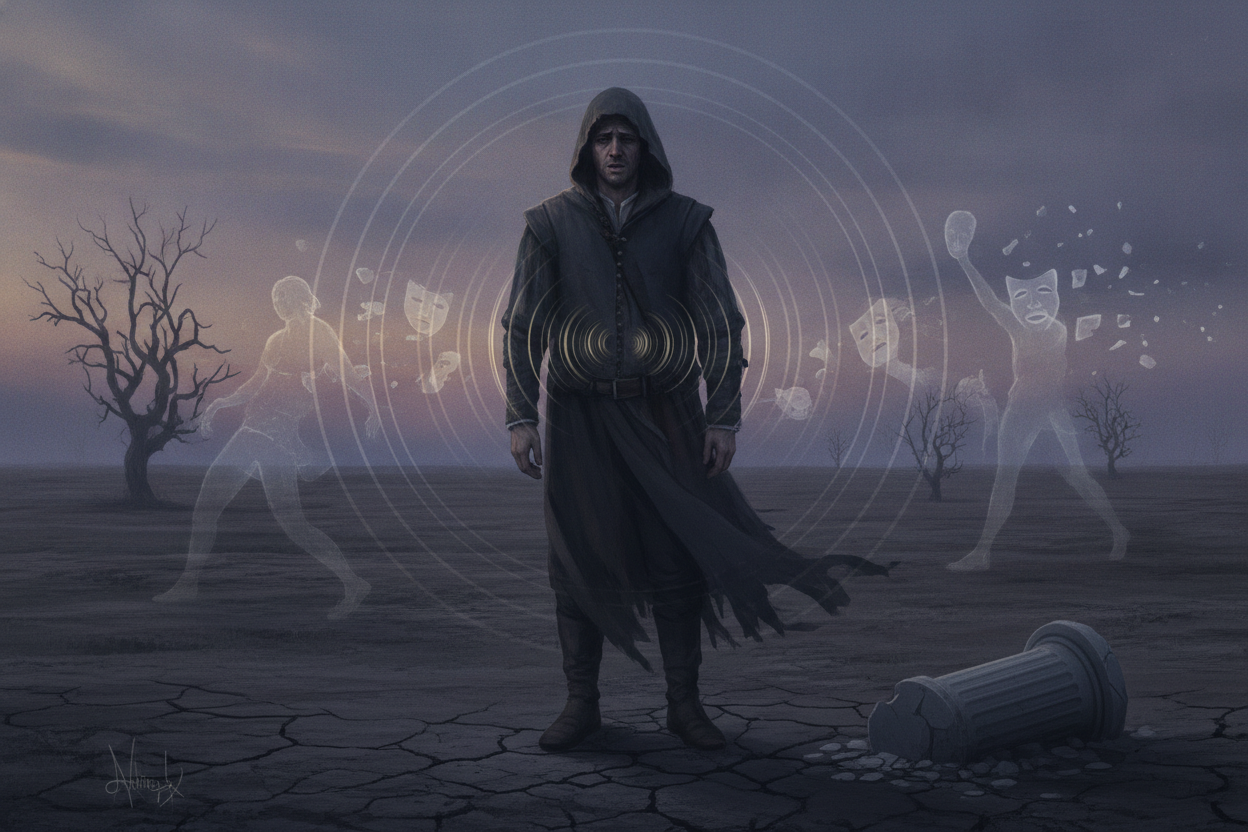
Language After Hope
Investigate how Shakespeare’s characters speak when consolation fails and words begin to sound like echoes rather than promises.
-
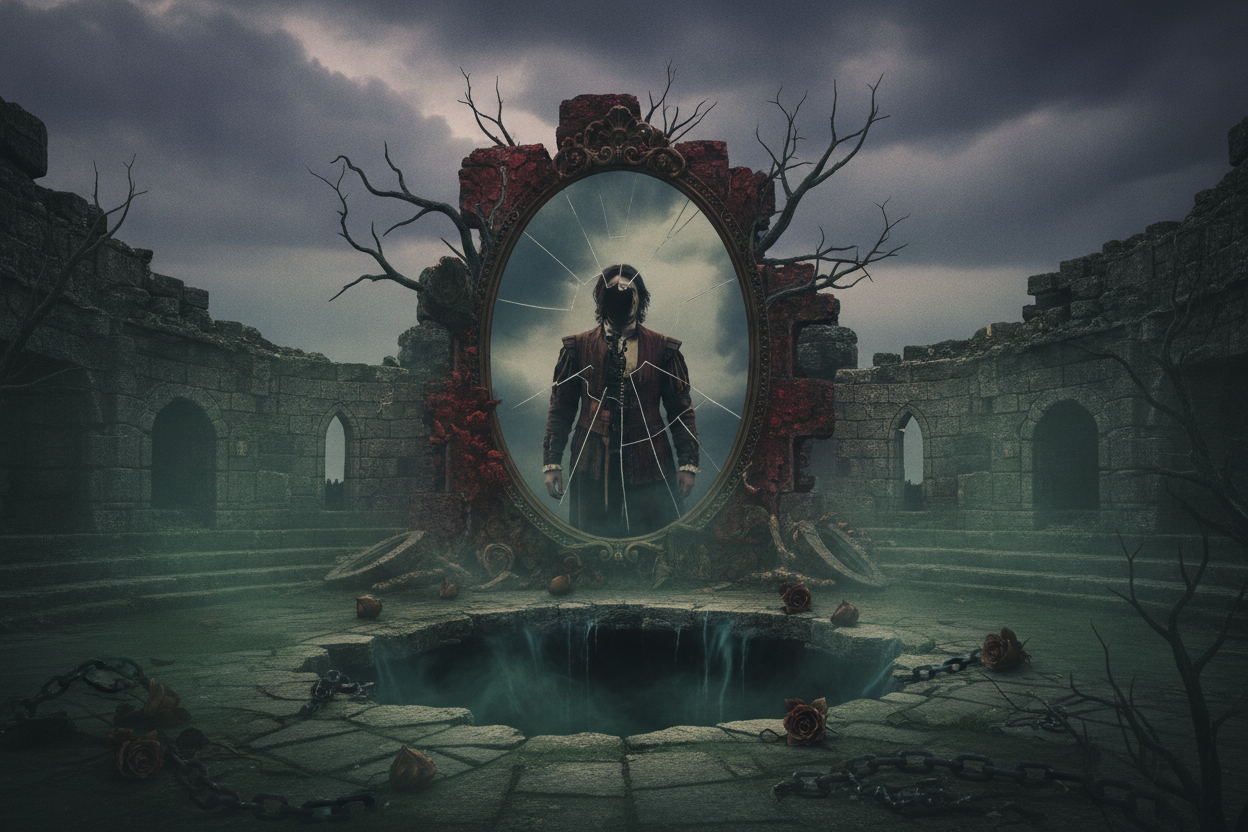
Shakespeare’s Broken Worlds
A comparative look at recurring voids, from rotten states to fractured identities, across several of Shakespeare’s darkest plays.
-
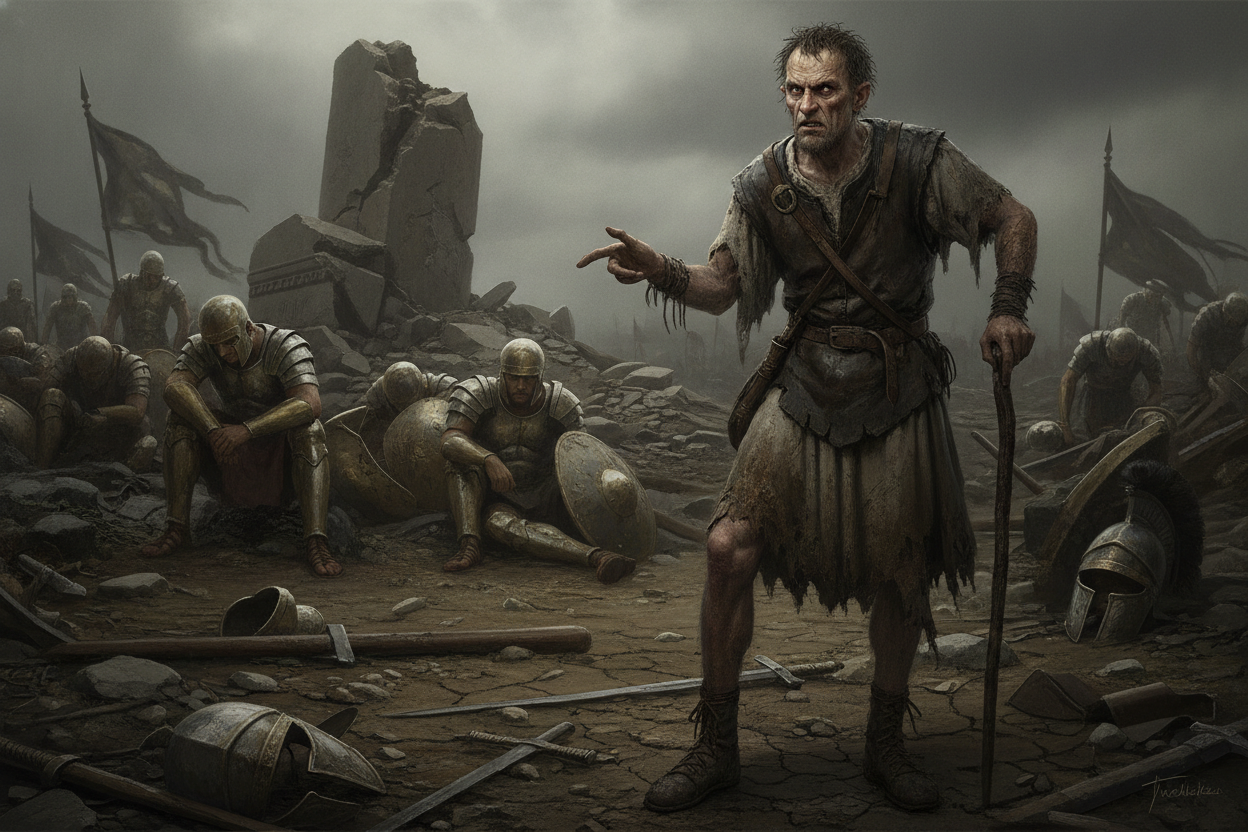
Thersites and Cynicism
Shakespeare’s Thersites voices a brutal, unsparing cynicism that exposes the vanity and exhaustion beneath heroic ideals.
-
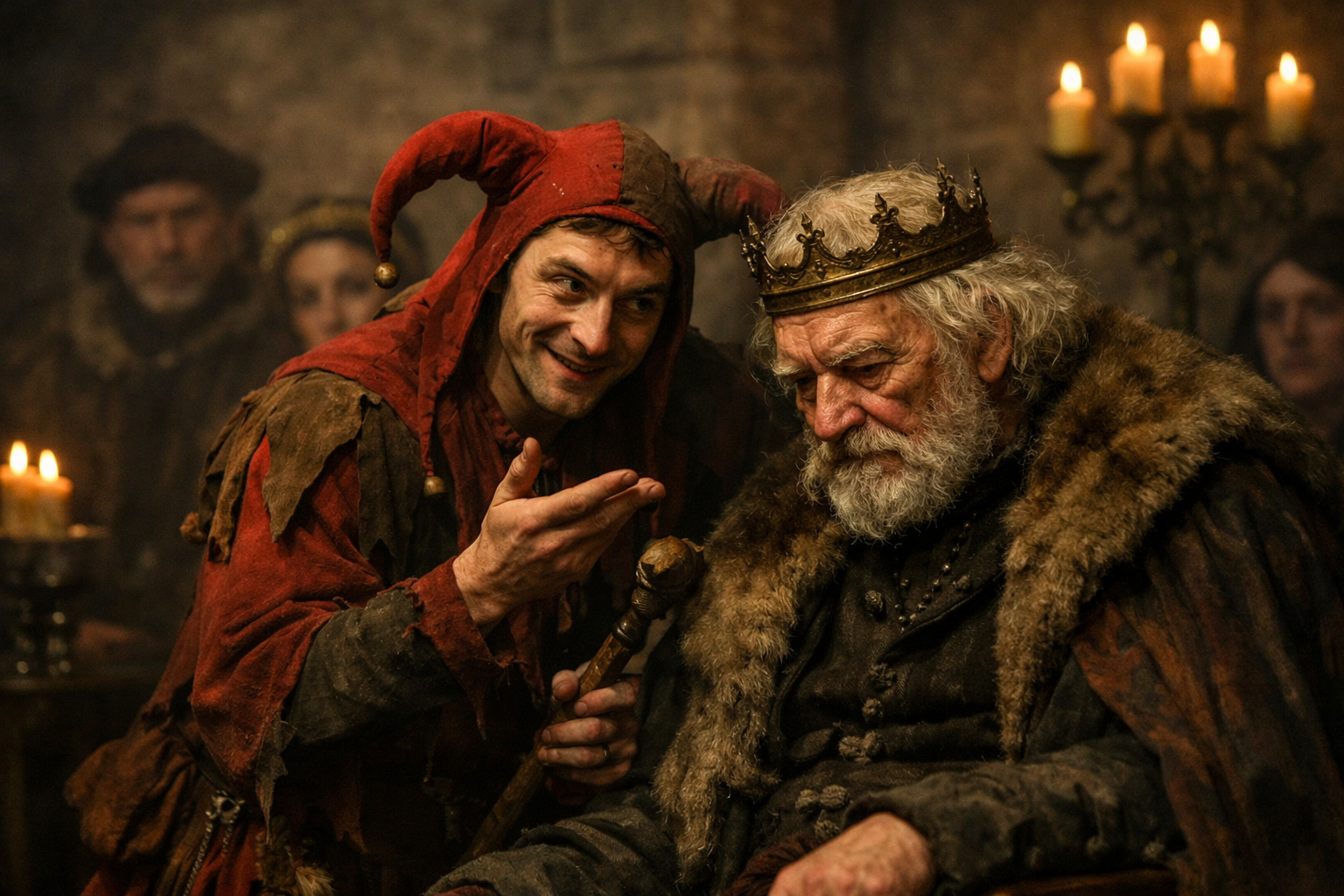
The Fool in King Lear
Examine how the Fool’s wit exposes the fragility of power and reveals truths that the court cannot bear to hear.
-
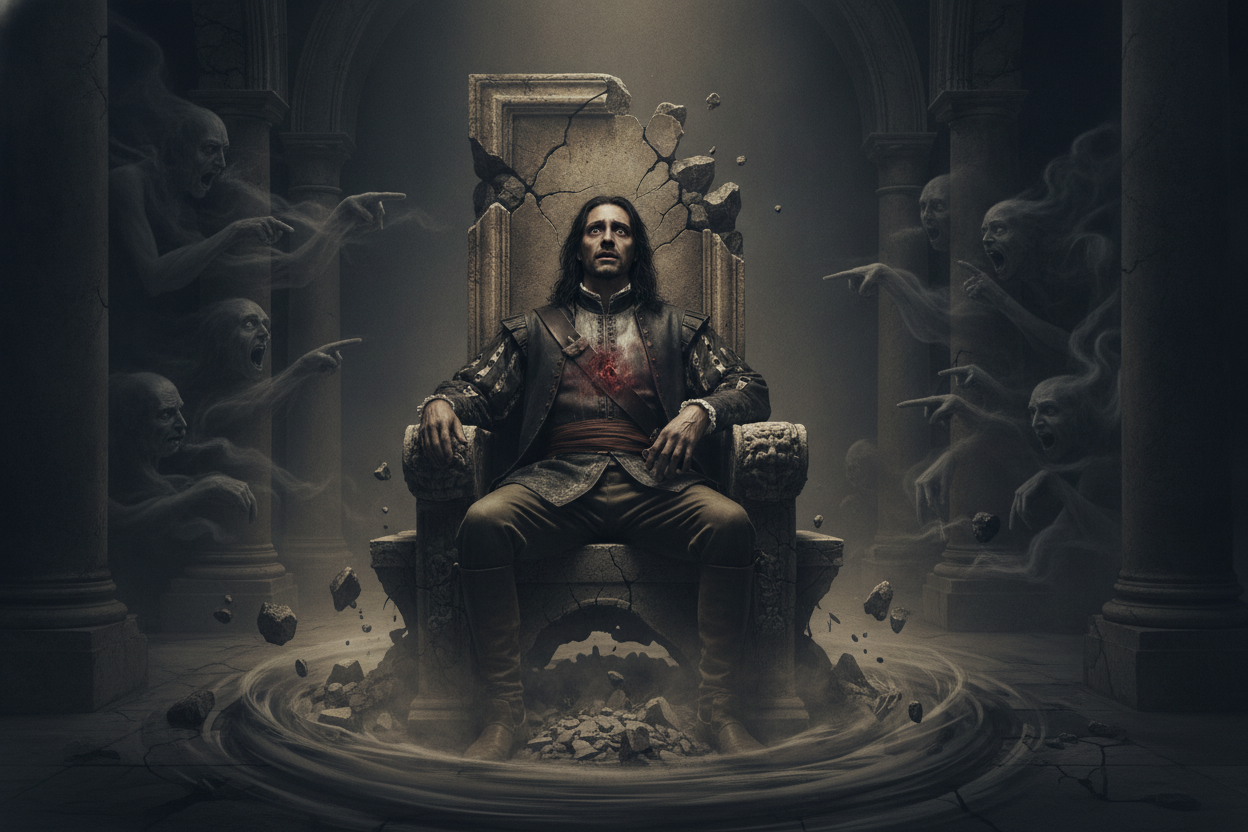
Othello and Inner Collapse
Othello reveals how suspicion, isolation, and manipulated language can hollow out identity long before tragedy reaches its end.
-
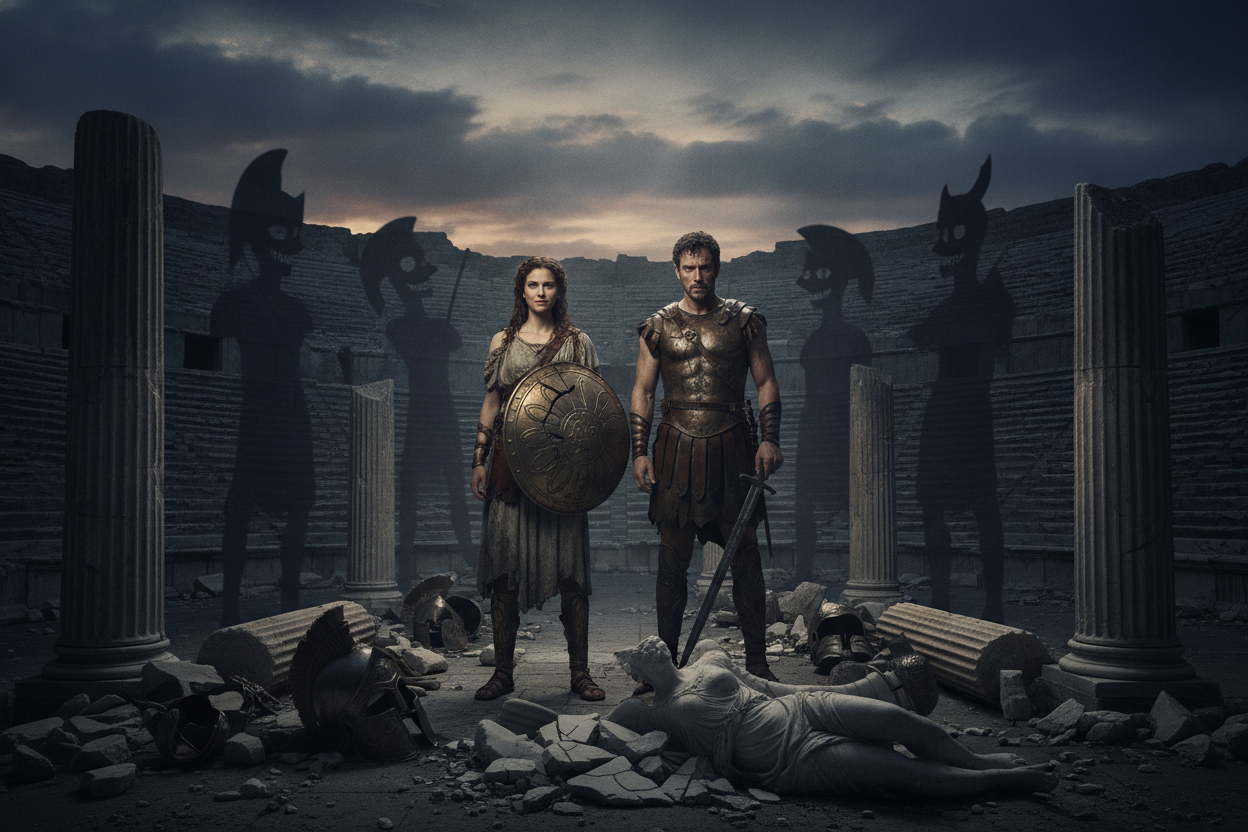
Troilus and Cressida in Doubt
This reading tracks how cynicism, wit, and broken heroic ideals turn Troilus and Cressida into Shakespeare’s most corrosive anti-epic.
-
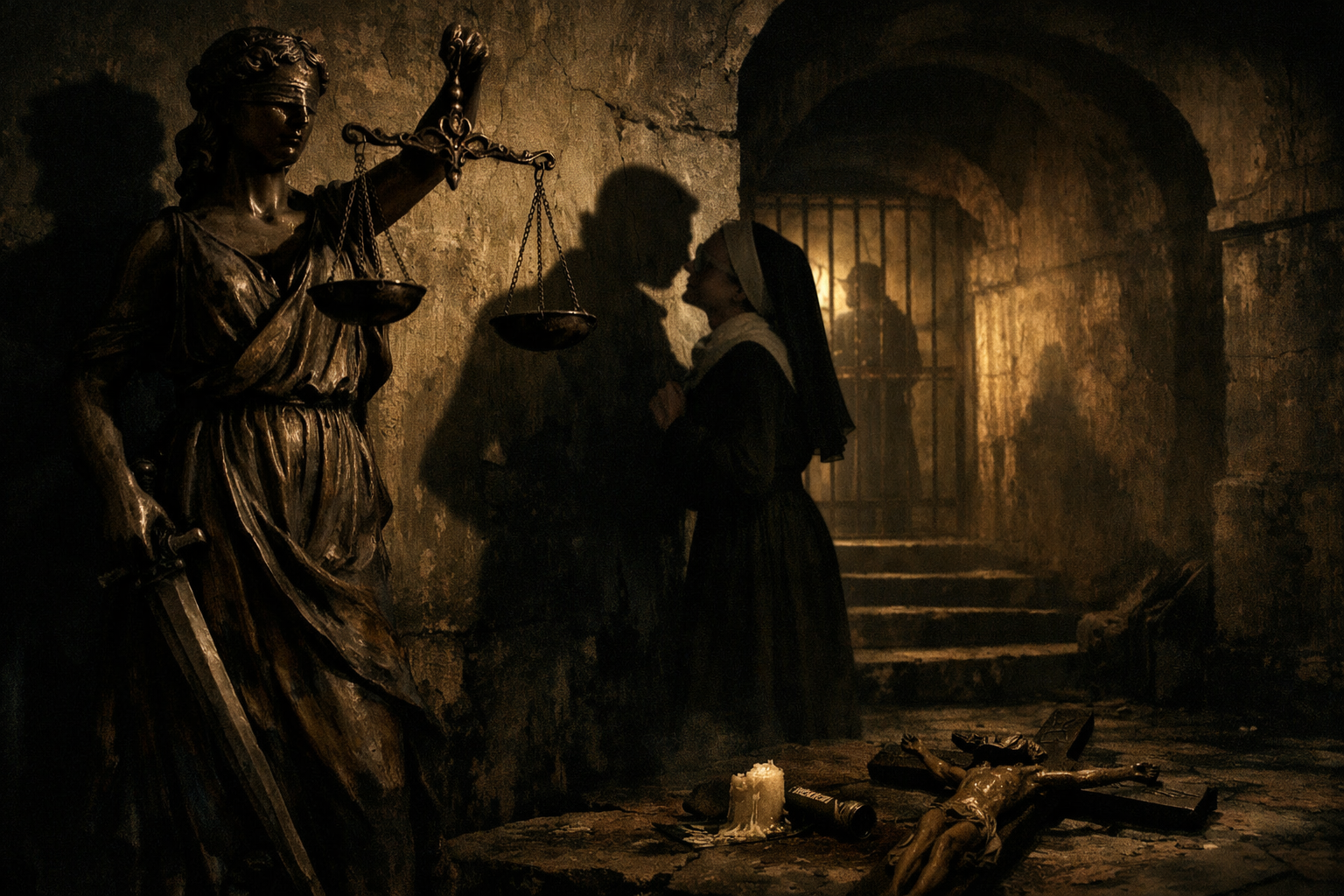
Measure for Measure’s Shadow
Read Measure for Measure as a drama of moral corruption, where law, desire, and judgment all fail to provide certainty.