
ARCHIVE NOTES
Plays
-

Thersites and Cynicism
Shakespeare’s Thersites voices a brutal, unsparing cynicism that exposes the vanity and exhaustion beneath heroic ideals.
-
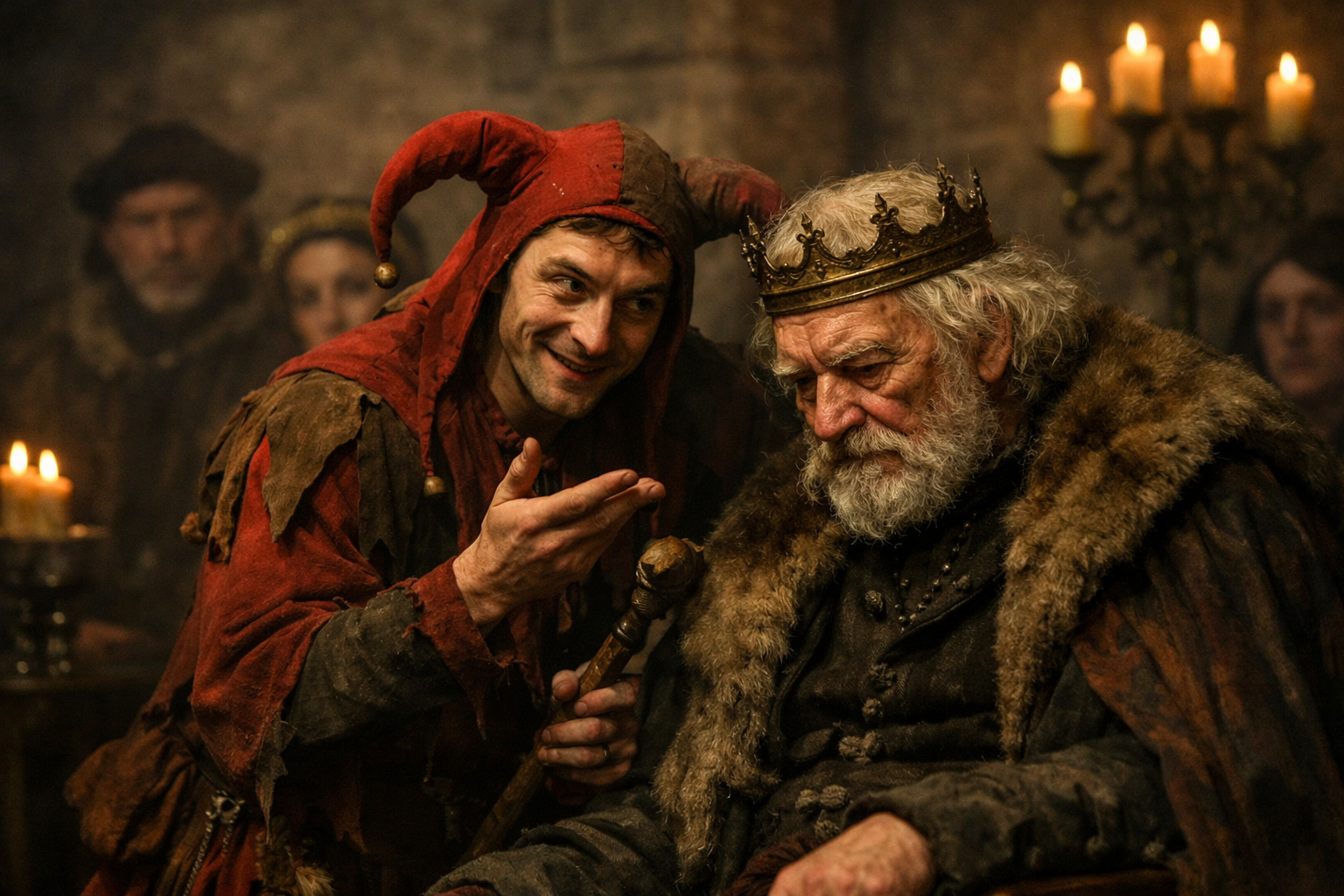
The Fool in King Lear
Examine how the Fool’s wit exposes the fragility of power and reveals truths that the court cannot bear to hear.
-

Othello and Inner Collapse
Othello reveals how suspicion, isolation, and manipulated language can hollow out identity long before tragedy reaches its end.
-
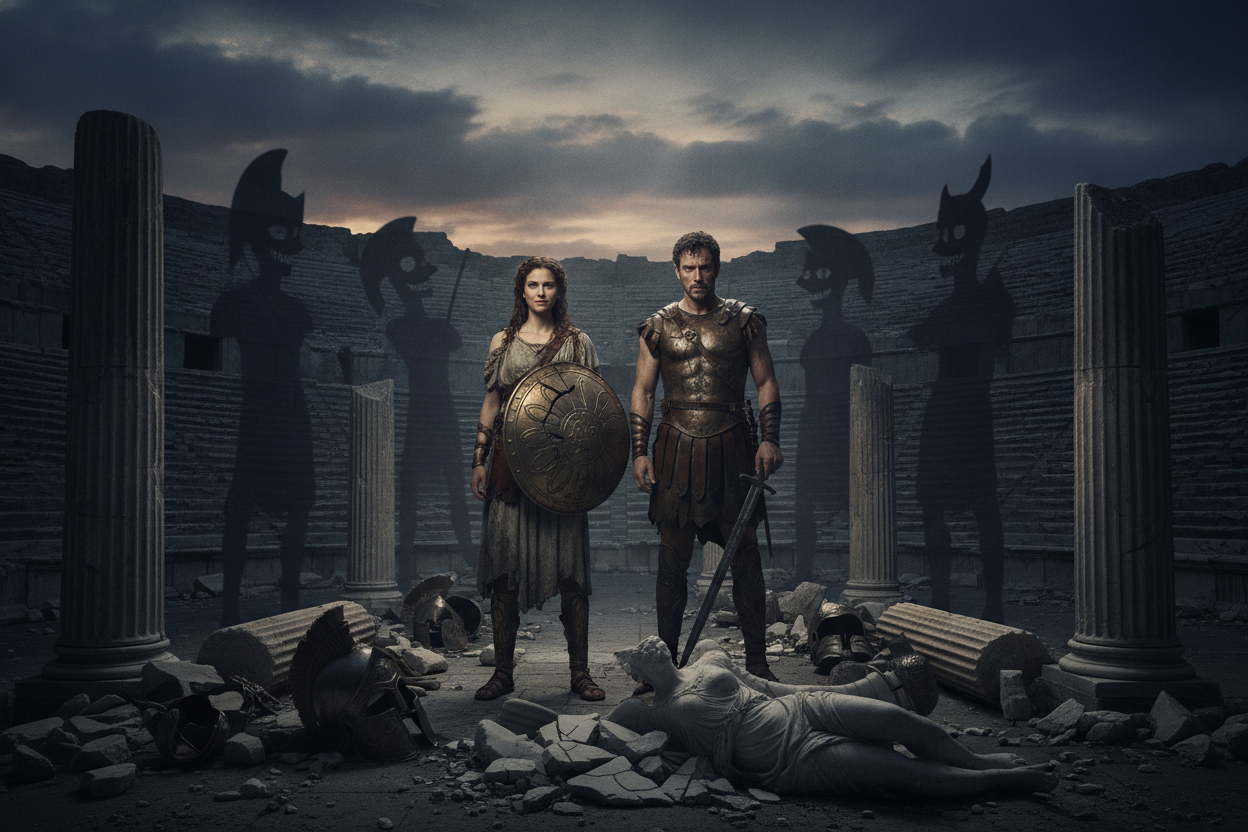
Troilus and Cressida in Doubt
This reading tracks how cynicism, wit, and broken heroic ideals turn Troilus and Cressida into Shakespeare’s most corrosive anti-epic.
-
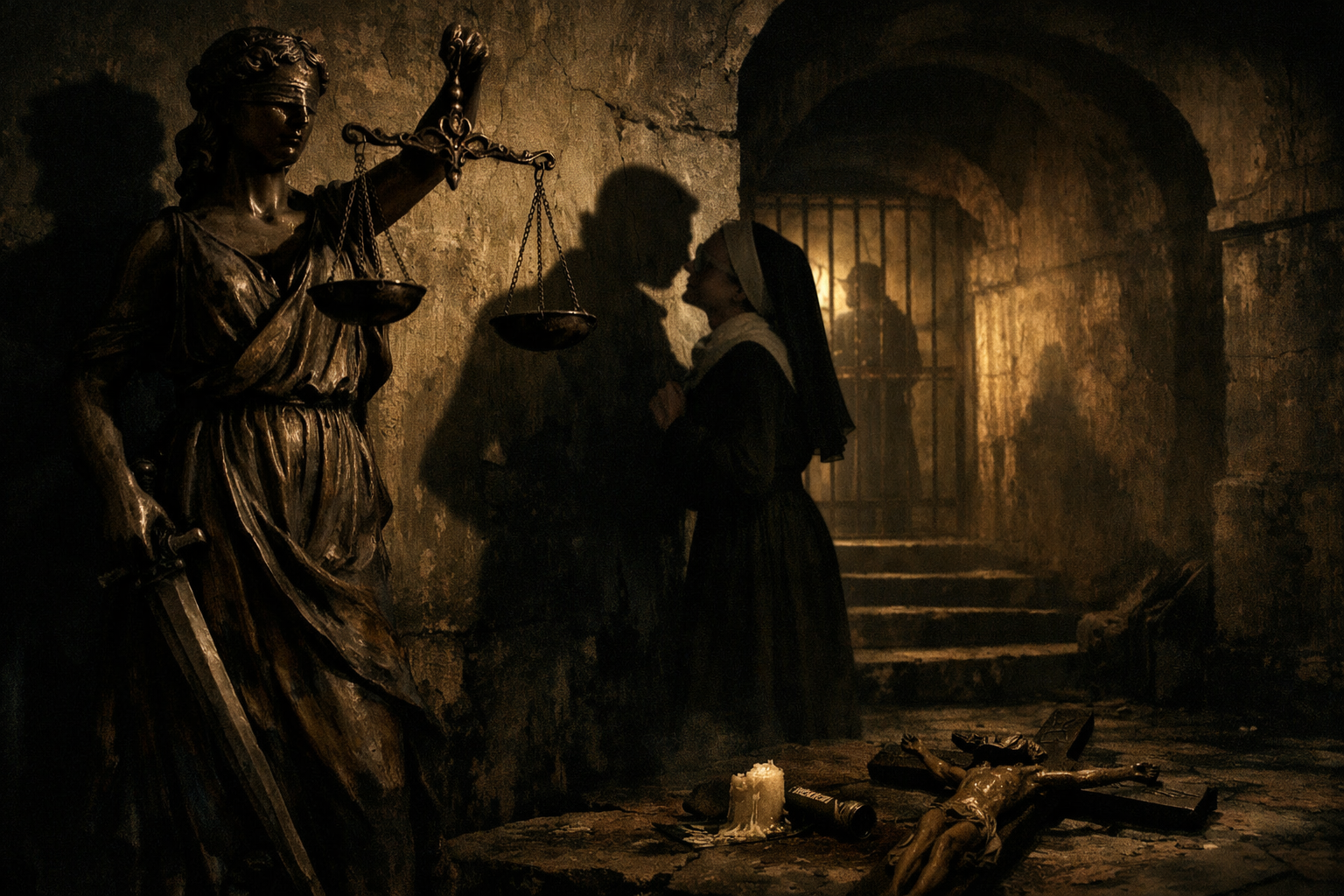
Measure for Measure’s Shadow
Read Measure for Measure as a drama of moral corruption, where law, desire, and judgment all fail to provide certainty.
-
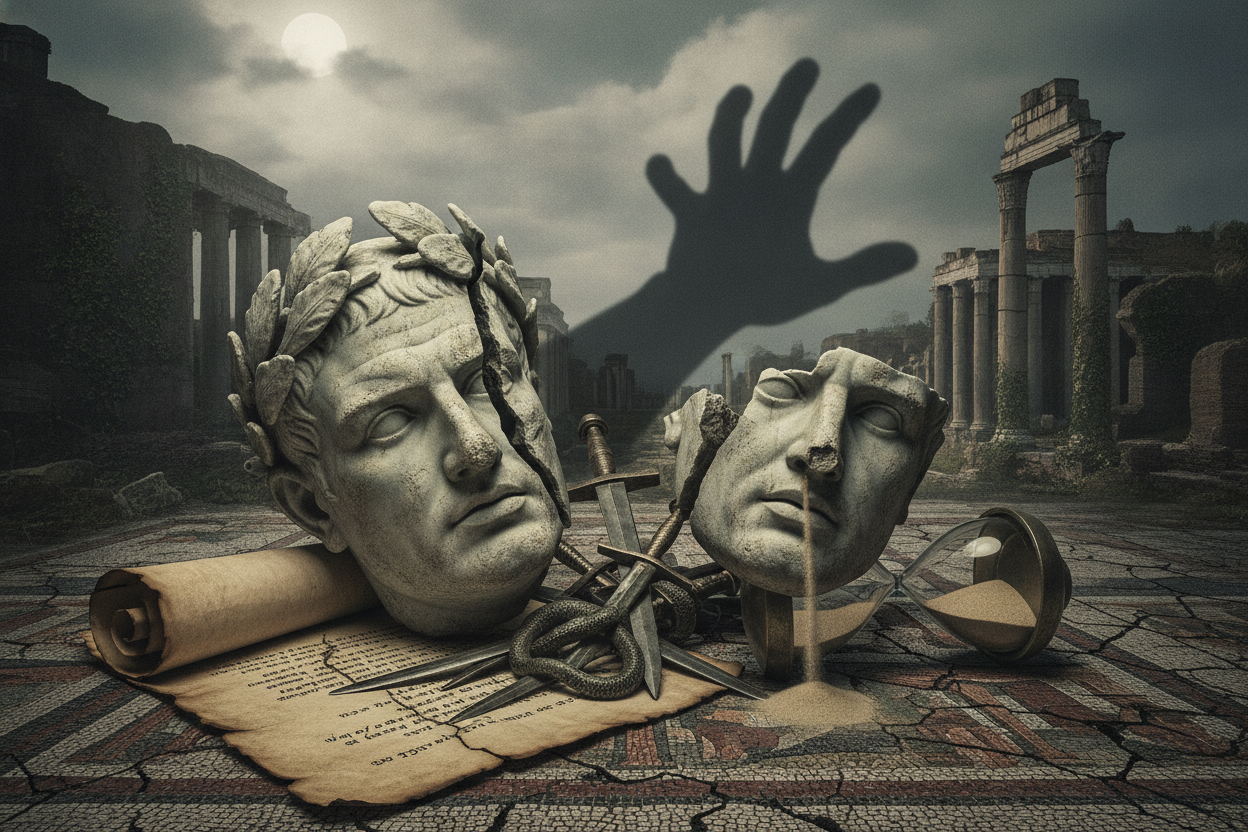
Julius Caesar and Power
This essay examines how public rhetoric, conspiracy, and fate expose the fragility of political meaning in Julius Caesar.
-

Timon of Athens and Trust
Shakespeare’s bitter tragedy of generosity and betrayal shows how social exchange collapses into contempt and radical disillusionment.
-

Macbeth and Moral Void
Macbeth traces how ambition creates a vacuum where conscience weakens, language darkens, and reality itself seems unstable.
-

King Lear and Meaninglessness
Explore how King Lear strips away power, family, and illusion to reveal a world where language and justice fail together.
-

Hamlet and the Void
A close reading of Hamlet’s language reveals how Shakespeare turns doubt, grief, and emptiness into a philosophy of action.
SUBSCRIBE